Connecticut Schools Implement New Mental Health Programs
By Local Connecticut News · 2026-08-12
As students return to classrooms, local schools in Connecticut are introducing enhanced mental health initiatives aimed at addressing the ongoing effects of the pandemic.
HARTFORD, CONNECTICUT — As the academic year begins, school districts across Connecticut are unveiling new mental health initiatives designed to support students adjusting to post-pandemic schooling. These programs aim to mitigate the longstanding psychological impacts that students and educators have felt since the onset of COVID-19 disruptions. The focus on mental health has gained urgency as educators and health administrators recognize the pandemic's toll on student well-being, emphasizing the need for comprehensive support systems in schools across the state.
School administrators have identified a significant rise in mental health concerns among students over the past two years. More students are grappling with anxiety, depression, and other stress-related issues attributed to prolonged isolation and the uncertain atmosphere of learning environments disrupted by the pandemic. To address these challenges, school districts are investing in mental health resources such as hiring additional counselors, implementing wellness programs, and integrating social-emotional learning curricula into daily classroom activities(CT Post).
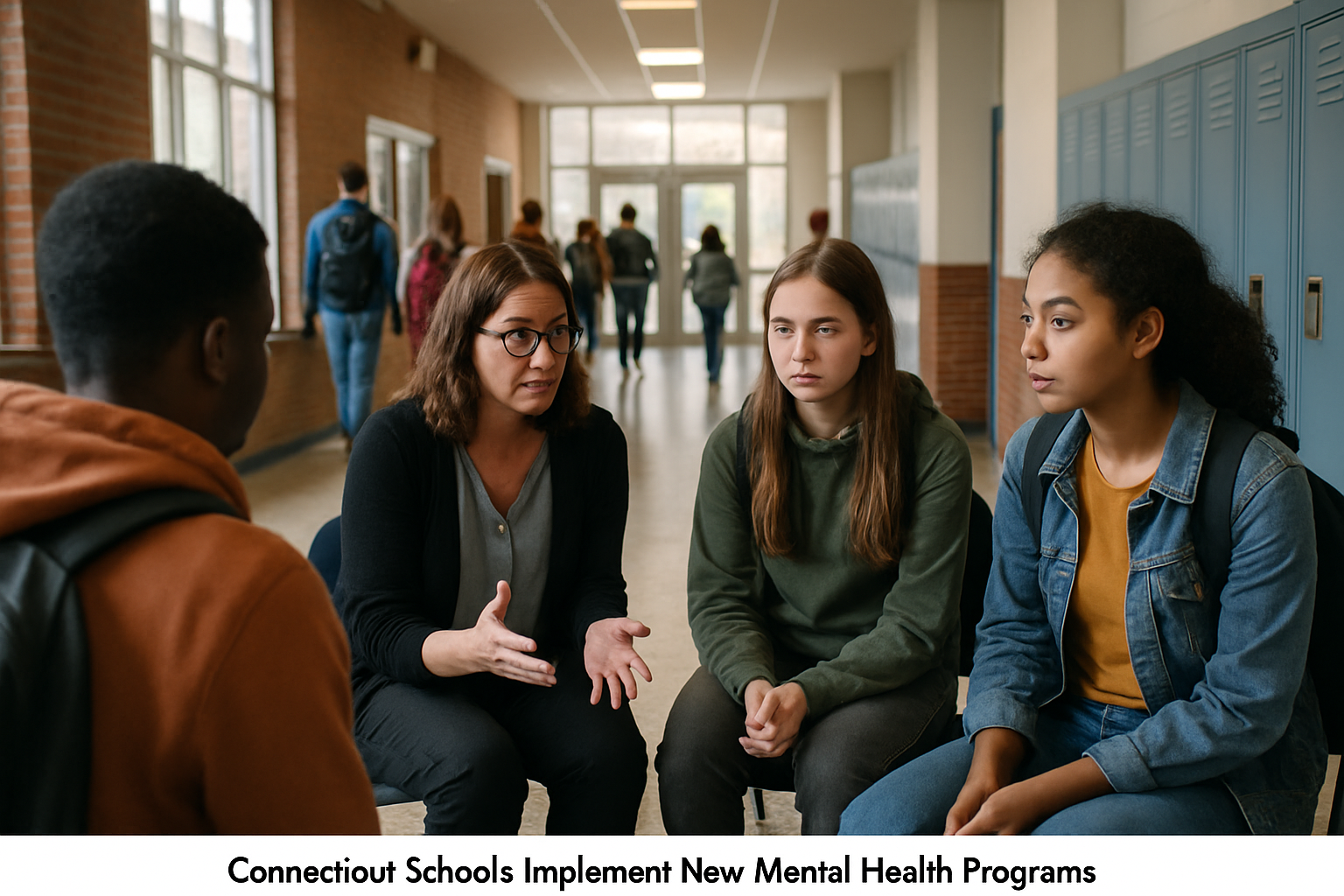
Districts are increasingly adopting a holistic approach that encompasses not only mental health professionals but also educators and parents. Workshops and training sessions are being organized to help teachers recognize signs of mental distress and equip them with strategies to support students effectively. In some districts, parent engagement initiatives have also been introduced, offering guidance on how to support children’s mental health at home. This multi-faceted strategy is aimed at creating a supportive community that encourages open dialogue about mental health(WTNH).
A significant aspect of these new initiatives involves the enhancement of mental health staffing in schools. Many districts are responding to the need by recruiting more school psychologists and counselors. By lowering the student-to-counselor ratio, schools aim to provide more individualized attention, allowing mental health professionals to build stronger, trust-based relationships with students. This step is in line with recommendations from health authorities who stress the importance of accessible mental health support for youth(Hartford Courant).
While some parents and educators support the heightened focus on mental health, there are concerns about the implementation and efficacy of these programs. Questions have arisen regarding the sustainability of funding, particularly in districts that are financially strained. Some stakeholders worry that without long-term financial planning, these essential services might face reductions in future budgets. Additionally, there is a discussion about ensuring that programs remain adaptable to meet the evolving needs of students as they continue to transition back to in-person learning(CT Insider).
On the other hand, there are community members who view these developments as a crucial step towards normalizing mental health conversations in schools. By embedding mental health awareness within the educational framework, these initiatives can destigmatize seeking help, encouraging students to proactively address their emotional well-being. This proactive stance is seen as vital for fostering a positive school environment conducive to learning and personal development.
Educators and mental health professionals assert that these programs not only address immediate mental health symptoms but also equip students with lifelong skills in emotional regulation and resilience. Moreover, integrating social-emotional learning into academic curricula is expected to enhance students' overall learning experiences by promoting empathy, mindfulness, and effective communication skills. These skills are seen as essential for students' academic and social success both during their school years and beyond(New Haven Register).
The impact of these mental health initiatives is being closely monitored. Preliminary feedback from districts that have piloted similar programs suggests a positive reception among students and parents alike. Some schools report improved attendance rates and a reduction in disciplinary actions, which are attributed to the supportive measures now in place. Assessments are ongoing to determine the long-term effects these programs may have on students' academic performance and social development(NBC Connecticut).
Looking forward, state education officials are advocating for continued emphasis on mental health within Connecticut's education system. Future plans involve the expansion of collaborative efforts with local health departments and mental health organizations to provide comprehensive support and resources to families. The goal is to establish a robust support network that not only addresses current challenges but also builds a resilient foundation for future generations.
As schools move forward with these initiatives, the emphasis remains on fostering environments that prioritize student well-being. By addressing mental health needs proactively, Connecticut schools are setting a precedent for how educational institutions can play a pivotal role in the holistic development of young individuals in a post-pandemic world.
Sources
- [1] CT Post
- [2] WTNH
- [3] Hartford Courant
- [4] CT Insider
- [5] New Haven Register
- [6] NBC Connecticut