Connecticut's Parks Prepare for Increased Visitor Traffic
By Local Connecticut News · 2026-08-12
Connecticut parks are preparing for an autumn influx of visitors, stressing preservation and safety.
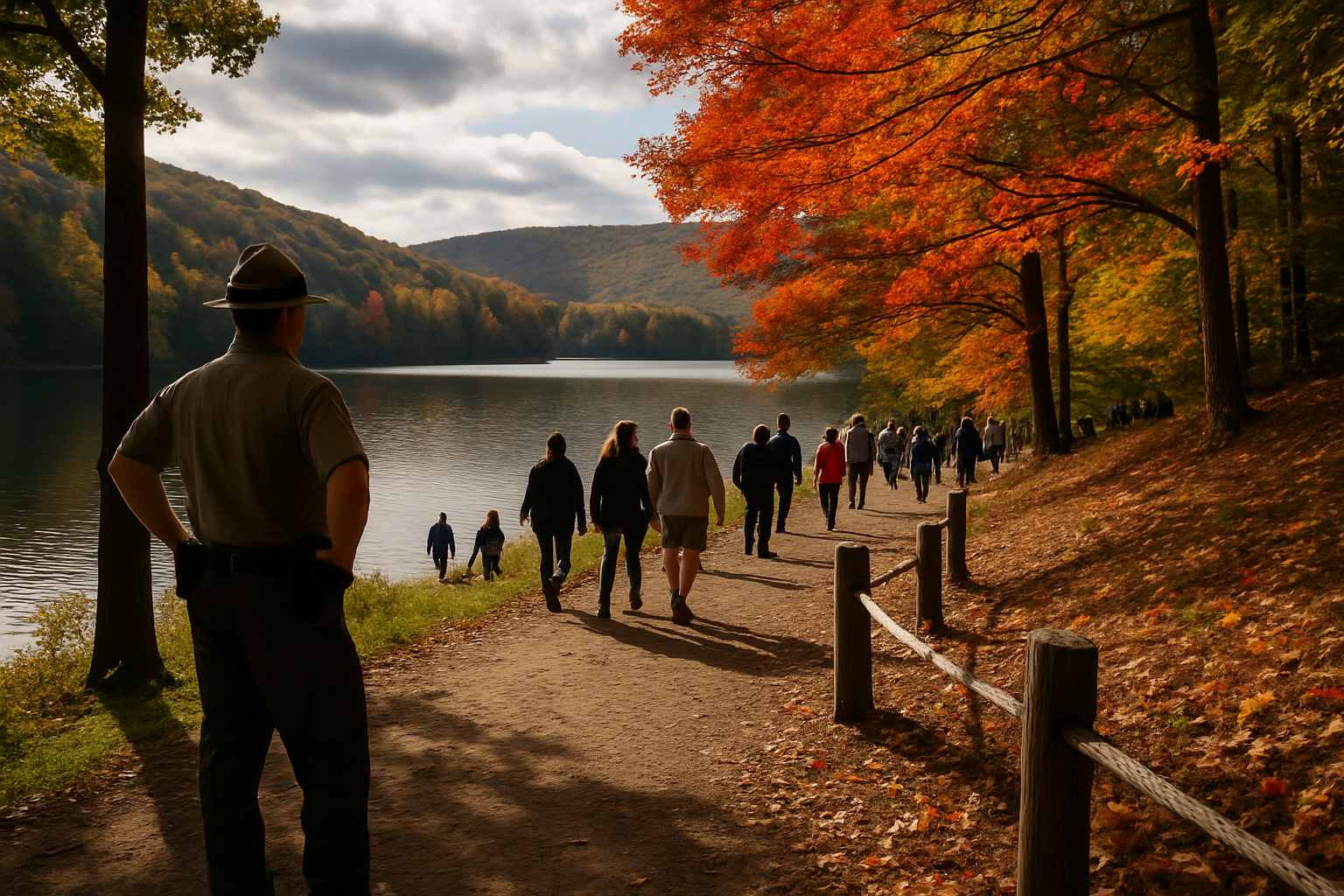
CONNECTICUT — As autumn leaves blanket the state of Connecticut in shades of red, orange, and yellow, the state's parks are poised for a significant increase in visitors. This seasonal influx is a cherished tradition as residents and tourists flock to natural spaces to enjoy the beauty of fall foliage. However, the expected surge in visitor numbers necessitates meticulous preparation by park authorities to balance accessibility with conservation and safety.
In response to the seasonal draw, park officials across Connecticut are taking proactive steps to enhance visitor experience while preserving the natural environment. This includes increasing the number of staff present during peak visiting times and improving signage that helps visitors navigate trails and facilities safely. These efforts are aimed at mitigating the environmental impact of visitor congestion, particularly in areas that are renowned for their scenic beauty (CT Post).
Enhanced infrastructure is a key focus in preparation for the fall rush. Improvements such as expanded parking areas and additional restrooms are designed to accommodate larger crowds and prevent bottlenecking at popular sites. Trails are also being assessed and reinforced where necessary to handle increased foot traffic. By widening certain paths and installing markers to guide hikers, park managers seek to reduce wear and tear on the landscape, thereby maintaining its ecological balance (WTNH).
Safety is a paramount concern as more people access these spaces. Collaboration between park officials and local emergency services ensures that safety measures are fully operational. This includes increased patrolling and the strategic placement of emergency response units to efficiently manage possible incidents. Additionally, educational initiatives emphasize public safety and environmental conservation, reminding visitors to adhere to park rules and stay on designated paths (Hartford Courant).
Environmental groups are applauding these efforts but stress the importance of ongoing public education about conservation. While infrastructure enhancements are vital for accommodating visitors, engaging the public in conservation awareness is equally crucial. Efforts to educate visitors about the ecological significance of parks and the roles they play in sustaining local wildlife are seen as essential measures for long-term preservation (New Haven Register).
Conversely, local businesses are preparing for the seasonal spike in tourism, viewing it as an opportunity to boost the local economy. The influx of visitors often translates into increased patronage for eateries, shops, and hotels around major parks. This expected rise in economic activity is a welcome relief for business owners eager to capitalize on the fall season after slower summer months. An increase in tourism revenue supports local employment and contributes to broader economic recovery (The Day).
Authorities are also exploring innovative strategies to manage visitor volumes while enhancing the quality of experience. This includes contemplating capacity restrictions during peak times at the most frequented parks. Consideration of reservation systems and time-slot entries is part of this discussion, aiming to ensure that parks remain pleasant and accessible without risking overcrowding. Such measures, while not yet implemented, illustrate a forward-thinking approach to sustainable park management (Norwalk Reflector).
The coming months will offer insights into how these preparations hold up against the challenges posed by increased visitor numbers. Officials express confidence that their efforts will not only safeguard the natural beauty of Connecticut's parks but also enhance public appreciation for these natural treasures. Continuous assessment and adaptation of policies are expected as the season progresses, readying the state for future years.
In the broader context, the collaboration between state officials, environmental advocates, and local stakeholders emphasizes a shared commitment to preserving Connecticut's natural heritage. As fall arrives, the focus remains on fostering a sustainable interaction between people and the environment, ensuring that both can thrive. Park authorities, backed by the support of engaged communities, demonstrate how mindful management can pave the way for enjoying natural wonders responsibly.
As the autumn crowds arrive, the message is clear: with careful planning and community cooperation, Connecticut's parks can continue to be a source of joy and inspiration for generations. The hope is that visitors will not only leave with memories of stunning landscapes but also an understanding of the importance of preserving these spaces.
Sources
- [1] CT Post
- [2] WTNH
- [3] Hartford Courant
- [4] New Haven Register
- [5] The Day
- [6] Norwalk Reflector